
Cinema and Life as Performance
My Tender MatadorThis flow traces how the Queen uses melodrama, drag, and cinematic fantasy to interpret life, then faces a political reality that refuses a scripted ending.
increasing Bearing strength in each event
 decreasing
Bearing strength in each eventdecreasingA House Like a Set
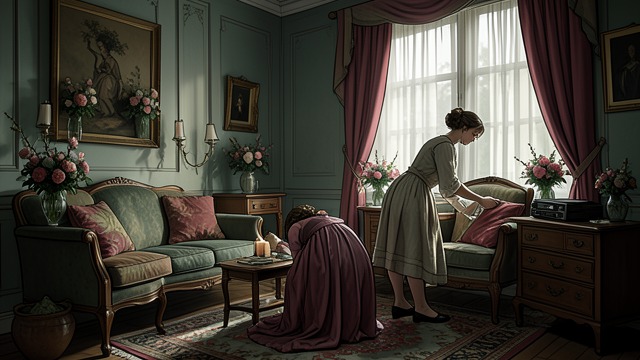
Domestic Life as Theater
Scenery from Scraps
The Queen arranges boxes, lace, curtains, and flowers as if building a movie set. The transformed rooms let her inhabit a more beautiful version of daily life.
An Audience Nearby
Neighbors watch through open windows and respond to her songs and movements. The house becomes a stage where performance offers both self-expression and a fragile defense against social contempt.
The Picnic as a Romance Film
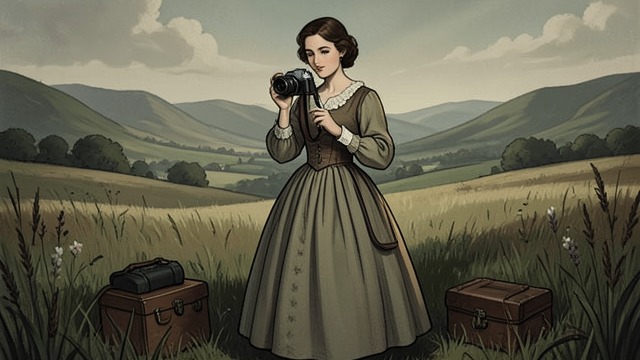
A Scene Directed by Desire
Posing for the Camera
The Queen imagines herself in a pastoral picture and treats Carlos’s camera as a device that can preserve their intimacy. Her poses draw on old films and romantic images.
Reality Enters the Frame
Carlos’s real work and the passing presidential motorcade complicate the fantasy. The photograph records a visible pose, not the relationship or security the Queen hopes it will promise.
The Birthday as a Musical
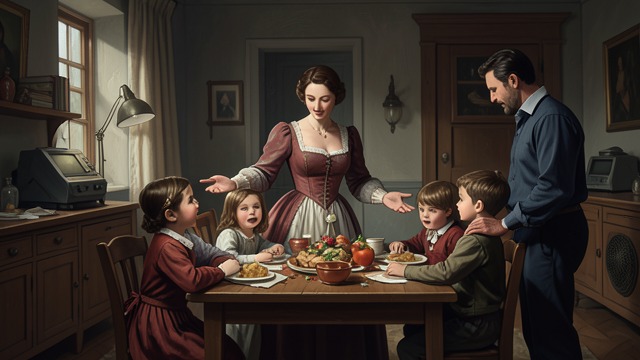
A Party Staged for Love
Roles Assigned
The Queen organizes the children, sets the table, and turns Carlos’s birthday into an elaborate scene of communal joy. Her commands and songs give the event a theatrical rhythm.
Real Feeling Beneath the Show
Carlos’s emotion is genuine, but the party does not transform him into the lover she imagines. The scene shows performance making affection possible without changing its limits.
The Movie Theater Crisis
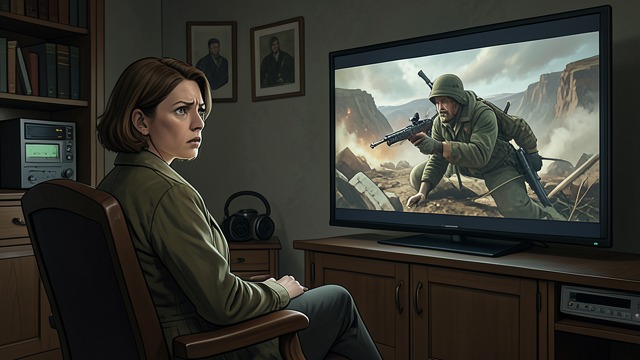
Screen and Street Converge
Violence on the Screen
The Queen watches an action film while awaiting relief from her anxiety. The scene on screen begins to merge with her imagined view of Carlos under fire.
The Political Real Becomes Personal
She calls warnings to Carlos as though he were the hero in the film. The fantasy makes her fear speakable, but the distant attack is real and cannot be controlled by her voice.
An Ending Without Closure
The Script Refused
A Final Scene
At Laguna Verde, the Queen speaks in romantic dialogue about the end of her illusion. She knows that love cannot be transformed into the future she had imagined.
Departure Instead of Resolution
She leaves with Carlos, but not as his beloved or a partner in a shared life. The novel lets theatrical language hold the goodbye while refusing the consoling ending that the Queen’s fantasies repeatedly offered.
After the Queen decorates her new home
Spring 1986, during the country outing
Carlos’s birthday afternoon and evening
September 11, 1986, during the convoy attack
Near the ending, after the last meeting with Carlos
